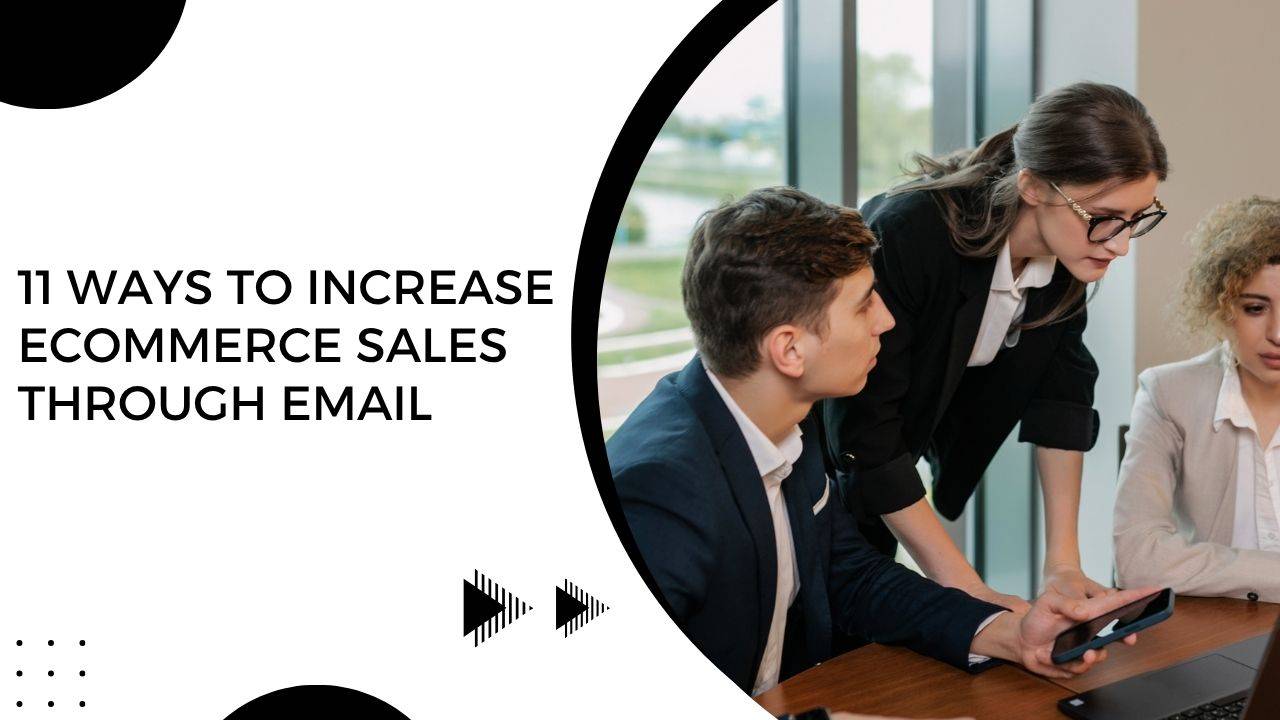
11 Proven Ways to Increase Ecommerce Sales in 2026
(Without Relying on Discounts)
Are you exhausted from constantly slashing prices just to boost sales?
“20% off.” “Save 50%.” “Limited-time mega sale.”
If this sounds familiar, you might feel like you’re giving away your profits just to attract buyers. After each promotion, you check your revenue and question whether running an ecommerce business is even sustainable.
Here’s the good news: discounts aren’t the only way to increase sales.
You can grow revenue without sacrificing your margins. There are smarter, more strategic email marketing approaches that convert customers while protecting your profits.
In this guide, we’ll break down practical strategies to help you attract, engage, and convert customers—without leaning on price cuts.
Let’s get started.
Key Takeaways: Boost Sales Without Discounts
To grow ecommerce revenue without constant promotions, focus on email strategies that build trust and meaningful engagement.
Reward repeat customers with loyalty programs. Personalize product recommendations based on behavior. Share testimonials to strengthen credibility. You can even experiment with pay-what-you-want pricing to encourage goodwill and purchases.
Why You Shouldn’t Depend on Discounts
Discounts can generate quick wins. Shoppers love a good deal. But using them too often can damage your business.
Here’s why:
1. Shrinking profit margins
While discounts may increase conversions, they reduce your earnings per sale. Higher volume doesn’t always offset lower margins, and you risk cutting into profitability.
2. Training customers to wait
Frequent promotions condition shoppers to delay purchases until the next sale. Urgency fades because they assume another discount is coming soon.
3. Weakening brand perception
Constant markdowns can cheapen your image. Instead of being known for quality, you become known for low prices—attracting deal hunters instead of loyal customers.
Discount campaigns can work occasionally. But relying on them long-term can hurt your brand and bottom line.
Let’s explore better alternatives.
Ecommerce Email Strategies That Drive Sales (Without Discounts)
Use these email approaches to increase conversions while keeping your margins intact.
1. Send Customers What They Actually Want
Promoting high heels to someone who only buys sneakers won’t convert.
Generic emails miss the mark. Research from McKinsey shows 71% of consumers expect personalized interactions, and 76% get frustrated when personalization is missing.
When your emails reflect customer interests, sales increase.
Tailor campaigns based on browsing behavior, past purchases, and preferences. If someone browses loungewear, show them cozy sets—not formalwear.
Implementation Tips
- Collect data like purchase history, demographics, and browsing behavior.
- Segment subscribers based on shared traits or interests.
- Use tracking tools to monitor engagement and refine recommendations.
2. Offer Exclusive Access
People love feeling special.
Exclusive email offers create urgency and belonging. Limited-edition products, early access to launches, or VIP perks can motivate fast action—without discounting.
Implementation Tips
- Create a short email sequence (teaser → launch → reminders).
- Build anticipation with sneak peeks and countdowns.
- Target loyal or highly engaged subscribers for exclusivity.
3. Sell Through Storytelling
People buy emotionally and justify logically.
Use storytelling (“storyselling”) to connect your product to real-life experiences. In fact, 68% of consumers say brand stories influence their buying decisions.
Share relatable struggles, customer wins, or your brand journey. Make your product the hero of the story.
Implementation Tips
- Share authentic, real experiences.
- Show life before and after using your product.
- Use visuals to strengthen emotional impact.
- Naturally position your product as the solution.
4. Educate Your Audience
Customers are more likely to buy when they clearly understand how a product helps them.
Educational emails position your brand as helpful and trustworthy.
Examples include:
- Step-by-step how-to guides
- Tips for solving specific problems
- Product demonstrations
- Expert insights or industry updates
Implementation Tips
- Provide practical, actionable advice.
- Keep content aligned with customer interests.
- Invite replies to encourage engagement (this can also improve deliverability).
5. Encourage Interaction
High-performing ecommerce emails don’t just promote—they engage.
Add interactive elements like polls, surveys, quizzes, AMP shopping features, or even playful GIFs.
Interactive emails increase engagement and strengthen relationships.
Implementation Tips
- Ensure interactive content works smoothly on mobile.
- Personalize quizzes or surveys based on subscriber data.
- Gamify campaigns with contests or challenges.
6. Use Urgency (Without Discounts)
Customers don’t want to miss out—on valuable products, not just deals.
Use scarcity and FOMO by highlighting:
- Low stock alerts
- Upcoming launches
- Popular items selling fast
You can offer non-discount perks like free shipping or limited-time gifts to prompt action.
Implementation Tips
- Target subscribers who showed interest but didn’t purchase.
- Highlight product popularity.
- Build anticipation before launches.
7. Strengthen Abandoned Cart Emails
Standard “Did you forget something?” reminders aren’t enough.
Use cart emails to resell the product. Remind customers why they wanted it and how it solves their problem.
Implementation Tips
- Personalize with names and product details.
- Use a sequence (multiple reminders).
- Reinforce benefits.
- Offer perks like free shipping if needed.
- Add testimonials to build trust.
8. Let Customers Choose the Price
Pay-what-you-want (PWYW) can build goodwill and drive engagement.
Set a minimum price that protects your margin, then allow flexibility above that point. Some will pay the minimum—but many will pay more.
Implementation Tips
- Clearly explain how the model works.
- Set a safe minimum price.
- Frame it as a collaborative effort with customers.
9. Reward Loyalty
Repeat customers are incredibly valuable.
Create a loyalty program where shoppers earn points for purchases, referrals, or engagement. Points can unlock rewards like early access, free products, or exclusive perks.
Implementation Tips
- Update customers on earned points after purchases.
- Personalize rewards based on buying behavior.
- Add tiers (Silver, Gold, etc.) to encourage progression.
10. Recommend Complementary Products
Cross-sell and upsell emails increase average order value.
Recommend related items based on previous purchases. Encourage upgrades or bundles that enhance the original purchase.
Implementation Tips
- Send recommendations during or after checkout.
- Highlight added value.
- Personalize suggestions using purchase history.
11. Use Social Proof
Customers trust other customers.
According to the Edelman Trust Barometer Special Report, 81% of consumers must trust a brand before buying.
Feature reviews, testimonials, case studies, and user-generated content in your emails to build credibility.
Implementation Tips
- Share testimonials highlighting specific benefits.
- Send detailed case studies.
- Showcase real customers using your products.
Final Thoughts
Discounts aren’t inherently bad. They work well during major events like Black Friday or holiday promotions.
But relying on them constantly can erode profits and brand value.
Customers care about more than price. They appreciate personalized recommendations, exclusive access, helpful guidance, engaging content, and authentic reviews.
Driving ecommerce sales without discounts isn’t just possible—it’s essential for sustainable growth.
Start applying these email strategies and watch your revenue grow without sacrificing your margins.
FAQs
What is the most effective type of email for increasing ecommerce sales?
Abandoned cart emails are typically the highest-converting email type because they target shoppers who have already shown strong purchase intent.
How often should ecommerce businesses send promotional emails?
It depends on your audience and industry, but most ecommerce brands send 1–3 promotional emails per week while balancing them with value-driven content to avoid subscriber fatigue.
What is a good open rate for ecommerce email campaigns?
Average open rates usually range between 20% and 35%, though this can vary by niche. Consistently testing subject lines and personalization helps improve performance.
How can personalization increase email sales?
Personalization such as product recommendations, dynamic content, and using customer names increases engagement and boosts conversions by making emails more relevant.
What email automation flows are essential for ecommerce stores?
Key flows include welcome series, abandoned cart reminders, post-purchase follow-ups, re-engagement campaigns, and browse abandonment emails.
Should ecommerce brands segment their email lists?
Yes, segmentation based on purchase history, browsing behavior, location, and engagement level significantly improves click-through rates and conversions.
How important is mobile optimization in ecommerce email marketing?
Extremely important. A large percentage of ecommerce emails are opened on mobile devices, so responsive design and clear CTAs are essential.
What role does urgency play in email marketing?
Limited-time offers, countdown timers, and low-stock alerts create urgency, encouraging customers to complete purchases faster.
How can product recommendations improve revenue?
AI-driven or behavior-based product recommendations increase average order value by suggesting complementary or frequently bought-together products.
What metrics should you track to measure ecommerce email success?
Key metrics include open rate, click-through rate, conversion rate, revenue per email, unsubscribe rate, and overall ROI.
How can A/B testing improve email sales performance?
Testing subject lines, CTA buttons, images, send times, and email layouts helps identify what resonates most with your audience and increases conversion rates over time.
Is it better to focus on discounts or value-driven emails?
While discounts can drive short-term sales, value-driven emails such as product education, reviews, and user-generated content build long-term customer loyalty.
How can email marketing increase customer lifetime value?
By nurturing customers through post-purchase emails, loyalty programs, replenishment reminders, and exclusive offers, brands can encourage repeat purchases and long-term engagement.
Do ecommerce brands need a dedicated email marketing platform?
Using a specialized platform like Klaviyo, Mailchimp, or Omnisend helps automate campaigns, segment audiences, and track revenue more effectively than basic email tools.